
Transforming a basement into a valuable, well-designed space often starts with selecting the right professionals. Skilled basement remodelers are prepared to handle common issues like moisture, insulation, and low ceiling height. Their work helps keep the project on schedule and financially predictable.
Explore Basement Remodeling in Kirkland
It is smart to choose contractors who can show clear credentials such as a current license, liability insurance, and examples of past projects. Contractors with local experience often understand regional code requirements, helping permits move more smoothly and reducing delays. This helps protect your investment and supports a smoother remodeling experience.
Collaborating with experienced basement renovation services or a design-build team often makes the remodeling journey much more efficient. Renovate Builders at renovatebuilders.com offers a single-source approach that manages design, permits, and construction. That method supports predictable timelines and access to reliable suppliers.
As you compare proposals, give greater weight to experience and proven performance than to the cheapest number on the page. Seasoned professionals usually provide more accurate timelines and realistic contingency plans based on past jobs. This way of choosing a contractor can reduce surprises and improve the odds of getting a well-executed finished space.
Why Your Home Benefits From Basement Remodeling Experts
Converting a dark, damp basement into a cozy living space takes more than basic remodeling skill. Basement renovation specialists make sure the project addresses code, moisture management, and overall livability so the new area feels like part of the house. A well-managed project reduces surprises and helps keep the schedule under control.
Working with an expert basement remodel team gives homeowners access to focused below-grade expertise. These teams know how to select materials that perform in humid conditions, plan for egress and ceiling height, and integrate HVAC and electrical systems properly in a basement environment. All of those details matter for safety, code compliance, and long-term functionality.
Professional basement remodelers help protect your investment in several important ways. They are typically licensed, insured, familiar with local codes, and able to document permits and approvals. This lowers the chance of accidents, uncovered damage, or code-related problems that could affect future resale.
Clear, detailed estimates from basement finishing contractors make it easier to compare proposals fairly. When scope is defined well, homeowners are less likely to face surprise charges or shifting project boundaries. A vetted network or a bid-leveling method can also help reveal pricing differences, schedule gaps, and material inconsistencies more clearly.
Strong basement remodelers can increase home value by converting underused square footage into functional living area. A finished basement may serve as a home office, theater, gym, or rental suite, improving both livability and market appeal. Thoughtful design and strong project management can improve return on investment and support on-time completion.
What Basement Remodeling Experts Actually Do
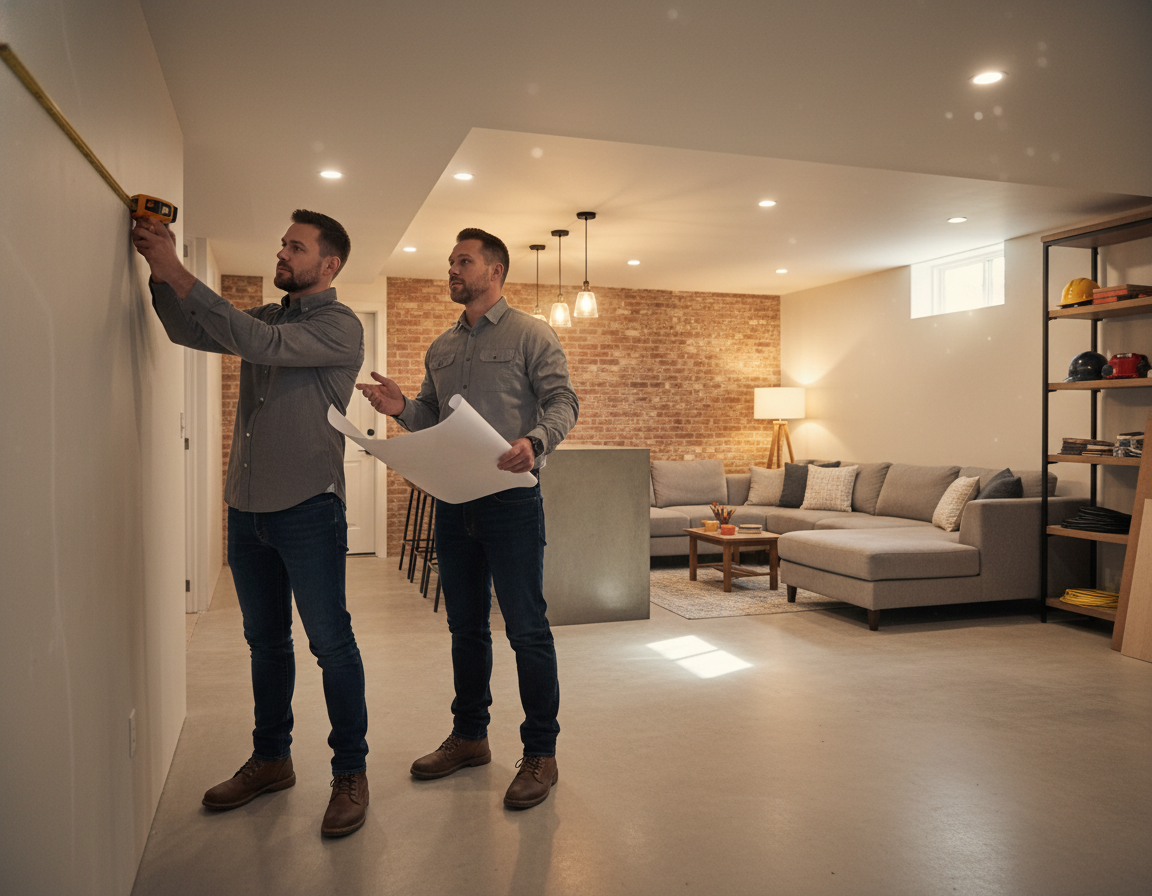
When remodeling a basement, it is important not to treat it like any ordinary room addition. Basement remodeling experts specialize in the distinct challenges that come with below-grade construction. They create tailored plans that address moisture, insulation, structural conditions, and practical layout concerns. A true expert combines design insight, engineering awareness, and construction planning to reduce costly surprises.
How To Recognize A True Basement Remodeling Expert
A true basement remodeling expert should be able to show a strong portfolio of completed basement projects. They should explain how their design decisions respond to the foundation, grade, and existing conditions of the home. Experienced specialists can anticipate drainage issues, recommend vapor-control strategies, and propose smart lighting and layout solutions for low ceilings and limited natural light.
Credentials To Look For: Licensing, Insurance, And Local Permits
Before signing a contract, verify that the contractor has a valid license and current liability insurance. Professional remodelers should be willing to share these documents and explain how they handle local permits. Permits matter because they help ensure compliance with building codes and safety standards. That protection benefits the homeowner long after construction is finished.
Why Basement-Specific Experience With Moisture, Insulation, And Low Ceilings Matters
Experienced teams know how to manage moisture control, insulation, and venting so the finished space avoids mold and energy loss. Search for contractors who can discuss waterproofing, drainage systems, structural repairs, and thoughtful solutions for basements with limited ceiling height. That can include techniques like recessed or dropped lighting, concealed bulkheads, and raised subfloor assemblies.
Design-build companies like Renovate Builders provide a more streamlined and integrated remodeling process. By combining designers and trade coordination under one roof, they can often handle permitting and scheduling in a more efficient way. That structure helps identify problems earlier and keeps trades aligned with the budget and schedule.
How To Choose And Vet Professional Basement Remodelers
One of the most important parts of a successful basement project is selecting the right contractor. A smart approach begins with checking credentials, confirming basement-specific experience, and comparing written pricing. Doing this improves the odds that you hire a trustworthy and qualified team. Local references and real project case studies are especially helpful when you want proof of experience in moisture control, insulation, and permit-related work.
How To Check Licenses, Insurance, And Local Compliance
Request a copy of the contractor’s state license and an up-to-date certificate of liability insurance. Check that the policy limits are appropriate and that workers’ compensation coverage is active to better protect your property and finances. It is also important to confirm that the contractor understands local building code requirements and knows how permits will be obtained.
Contractors who routinely work with local inspectors often bring an advantage to the project. A local top-rated basement remodeling company is usually more familiar with the way regional inspectors and departments operate. Because of that experience, coordination can be smoother and the work may move faster when inspections are needed.
Evaluating Portfolios, References, And Project Case Studies
Study before-and-after photos and detailed case studies that show conditions similar to your own basement. Request references from finished projects and make a point of speaking with at least two past homeowners. When you speak with them, ask about communication, schedule reliability, workmanship quality, and surprises during the project.
Look closely for examples where the contractor addressed moisture problems, low ceilings, or built-in storage solutions. An experienced remodeler should be able to explain the trade-offs they faced, the materials they selected, and how they kept the project on schedule.
How To Compare Bids Using Bid-Leveling Principles
Try to collect three to five written estimates that detail the project scope, materials, labor, and schedule. After that, use a bid-leveling approach so you can compare similar items instead of focusing only on the top-line number. Be sure to note exclusions, allowances, and the way each company handles change orders.
Transparent bids from basement remodeling experts help reduce the chance of surprise charges later. If time is limited, vetted contractor platforms can be useful for narrowing the search to qualified crews. Design-build firms often present consolidated proposals, which can make comparisons easier and accountability clearer.
Why Design-Build Is A Strong Choice For Basement Renovation
Choosing a design-build approach means design and construction are handled by one company rather than split between separate parties. This matters even more in a basement project, where structural concerns, waterproofing needs, and mechanical systems often overlap. A single coordinated team helps create better communication and gives the homeowner a clearer scope, budget, and timeline from the start.
The Design-Build Model And Why It Is Useful For Basement Projects
In a design-build arrangement, architects, engineers, and builders work together as part of one team. That early collaboration helps identify issues such as moisture paths, framing conflicts, or HVAC routing before construction begins. This can significantly lower the chance of costly changes once construction is underway.
Why Integrated Design And Construction Leads To Fewer Delays
When the team is integrated, project management is often stronger because trades, tools, schedules, and decisions are handled together. Homeowners benefit from having one main contact for updates and approvals. The result is fewer delays, less confusion, and more consistent communication from start to finish.
Access To Quality Materials And Trusted Local Vendors Through A Design-Build Team
Leading remodeling companies usually build strong vendor relationships that help secure quality materials and more reliable delivery schedules. Basement experts in a design-build setup are also more likely to source products from dependable local suppliers and showrooms. That access can improve installation quality and make warranties or follow-up service easier to manage.
Renovate Builders uses the design-build model to provide coordinated trades, more predictable timelines, and trusted material sources. Their process helps homeowners move from concept to completion with fewer surprises and clearer accountability.
What To Expect During A Professional Basement Remodel By Quality Basement Remodelers
Working with experienced basement renovation professionals usually means following a defined process from the initial assessment to the final review. That structure is designed to balance site realities, code requirements, and design priorities. A more structured process generally leads to fewer surprises.
The Usual Basement Remodeling Phases From Assessment To Final Walkthrough
The process usually begins with a site assessment focused on moisture, structural conditions, and egress needs. Experienced professionals will document the current conditions and suggest mitigation steps before the design phase moves forward.
The next phase is design, where the layout, finishes, and system plans are selected. This phase can take anywhere from one to three months, depending on how complex the basement project is.
Permitting and compliance review come next, and basement remodeling experts typically handle the coordination of local approvals and required inspections before work begins.
Once permits are in place, construction usually includes demolition, structural repairs, system installation, insulation, and final finish work. During this stage, different trades must be coordinated carefully and inspections often occur at set milestones.
The project ends with a final walkthrough and punch-list process. At that point, remaining issues are identified and resolved so the finished basement matches the agreed scope and quality level.
Timelines And Realistic Duration Estimates For Full Basement Finishing
A strong contractor should provide a clear timeline with milestone dates rather than vague promises. For a full basement finish, the total project may run from several weeks to a few months depending on scope, permits, and mechanical work.
Smaller projects with lighter cosmetic scopes are usually completed faster. More involved remodels, especially those with structural revisions, bathroom additions, or HVAC changes, normally take longer.
Clear scheduling from basement finishing contractors allows homeowners to prepare for disruption and understand how the project is progressing.
Typical Scope Items In A Professional Basement Remodel
Moisture control is often the most critical early focus in a basement remodeling project. That can include interior drainage, waterproof membranes, sump pumps, and repairs to specific trouble areas.
Insulation and vapor control are also important because they affect comfort, energy use, and long-term moisture performance. Professional contractors usually recommend materials that match both local climate and code requirements.
New living space usually requires HVAC and electrical upgrades to function well and meet code. Licensed trades generally handle ducting, heating zones, circuit sizing, lighting, and related connections.
If the basement will include a bathroom or wet bar, the plumbing design must be handled carefully because this work can be invasive and costly. Experienced basement remodeling experts try to create efficient layouts that reduce unnecessary disturbance.
The final stage usually includes trim, flooring, cabinetry, and finish carpentry that define the look of the basement. Renovate Builders coordinates these steps, sources local materials, handles permits, and serves as a single point of contact throughout the project.
What To Ask Experienced Basement Renovation Professionals Before Hiring
Before you sign a contract, request the contractor’s license number and current proof of liability insurance. Make sure they handle local permits and follow building codes in your area. If you are considering Renovate Builders, ask them to provide licensing details and insurance documentation so you can confirm compliance for yourself.
Request basement-specific experience instead of accepting broad remodeling claims. Ask how many basements they have remodeled, request project photos, and ask for references from previous clients. A truly experienced team should have no problem backing up its claims with real examples.
Try to gather detailed, itemized estimates and compare three to five bids whenever possible. Use bid-leveling to evaluate differences in scope, exclusions, and timeline rather than simply focusing on price. The best basement remodeling companies often help clients understand the numbers clearly, which reduces confusion and surprise charges later.
You should also ask how the design-build process works and who will serve as your primary point of contact. Find out how design revisions, change orders, and schedule shifts are handled. It is also wise to ask about supplier relationships and where finish materials come from. Strong remodelers are generally able to explain how they balance finish quality, labor cost, and long-term performance.
Finally, confirm the practical logistics of the project before making a decision. Ask whether they are truly local, when they could start, how disruption will be managed, and what happens if delays occur. A dependable team should be ready to share a proposed timeline, a detailed estimate, and a communication process that gives you peace of mind.
Related: Bathroom Remodeling Contractors in Kirkland on Planning a Bathroom Remodel Step by Step